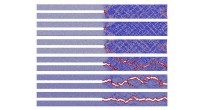
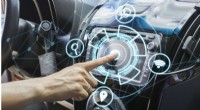
For instance, interactive software for physics education lets students simulate experiments, adjust parameters, and observe results, which enhances their understanding of complex physical phenomena.
Similarly, immersive virtual reality experiences can transport students to the depths of the ocean or the surface of Mars, providing firsthand experiences that deepen their understanding of the world.
Additionally, interactive technology provides personalized feedback, allowing students to assess their progress and receive tailored support, fostering a self-directed learning environment.