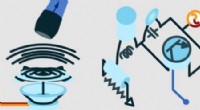
Jack's research involved setting up a wireless network that transmitted on the same frequencies as GPS signals. By carefully controlling the timing and power of the signals transmitted by the network, he was able to jam the GPS receivers within range of the network. This could be done from a distance of several hundred meters, and could potentially be used to disrupt GPS systems over a wide area.
The implications of this vulnerability are significant. GPS systems are used for a wide variety of applications, including air navigation, maritime navigation, and military operations. If GPS systems can be jammed, this could have a major impact on the safety of these activities. For example, a disruption of GPS signals could lead to planes losing their way or ships running aground.
The research conducted by Jack highlights the need for GPS systems to be protected against jamming attacks. This could involve the development of new GPS receivers that are more resistant to jamming, or the implementation of encryption to protect GPS signals from being intercepted and disrupted.
In the meantime, users of GPS systems should be aware of the potential for jamming attacks and take steps to mitigate the risks. For example, pilots and mariners should have backup navigation systems in place in case their GPS systems are disrupted.
The research conducted by Barnaby Jack has shone a spotlight on a serious vulnerability in GPS systems. It is important that steps are taken to protect these systems from jamming attacks to ensure the safety of the wide range of applications that rely on them.