1. Data Analytics and Machine Learning: Advanced algorithms can analyze large volumes of data from diverse sources, including social media, financial transactions, and intelligence reports, to identify patterns and anomalies that may indicate potential terrorist threats.
2. Social Media Monitoring: Terrorist organizations often use social media platforms to communicate, recruit, and spread propaganda. Automated monitoring tools can detect suspicious activity and identify individuals or groups involved in extremist discourse or planning attacks.
3. Sentiment Analysis: Natural language processing techniques can analyze the tone and content of online posts and messages to identify individuals expressing radical or violent sentiments, helping to flag potential risks.
4. Facial Recognition and Biometric Identification: Biometric technologies can be used to scan and identify individuals in crowded spaces, such as airports or public events. This can be combined with databases of known terrorists or wanted persons to prevent their movements or apprehend them.
5. Predictive Policing: Data-driven models and predictive analytics can be used to forecast potential crime hotspots, including terrorist attacks. This enables law enforcement to allocate resources more effectively and deploy security forces to high-risk areas.
6. Geospatial Analysis: Technology allows for the analysis of spatial data, including maps and satellite images, to identify patterns of terrorist activity and determine their geographical distribution and movement patterns.
7. Blockchain and Cryptocurrency Tracking: Blockchain technology can be used to track and monitor financial transactions related to terrorism, identifying suspicious patterns or individuals engaging in illegal fund transfers.
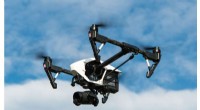
8. Drones and Aerial Surveillance: Drones equipped with cameras, sensors, and thermal imaging can provide real-time aerial surveillance of areas susceptible to terrorist attacks, detecting suspicious activities and tracking individuals.
9. Behavioral Analytics: AI algorithms can be used to identify suspicious behaviors, such as purchasing chemicals for explosives or making unusual purchases, by analyzing CCTV footage or transaction records.
10. Virtual Reality and Simulation: VR technologies can simulate potential terrorist scenarios, enabling law enforcement and security agencies to train their response and decision-making in realistic settings.
11. Cybersecurity Measures: Implementing strong cybersecurity measures can protect sensitive data and systems from cyberattacks that could provide terrorists with useful information or disrupt critical infrastructure.
12. Interagency Collaboration: Technology platforms that facilitate real-time information sharing and coordination between law enforcement agencies, intelligence organizations, and the private sector enhance overall threat detection and prevention.
13. Dark Web Monitoring: Specialized software can monitor the dark web, where terrorists often communicate and coordinate activities, to identify potential threats and gather intelligence.
14. Biometrics in Border Control: Biometric screening at borders and checkpoints can help identify known or suspected terrorists attempting to cross borders illegally.
15. Network Traffic Analysis: Network traffic monitoring tools can detect unusual or suspicious patterns in internet traffic, which could indicate communication between terrorist groups or individuals.
16. Voice Recognition and Speech Analysis: Voice recognition technology can be used to identify individuals based on their voice patterns, helping to identify suspects in recorded conversations or audio messages.
17. Predictive Policing Applications: Mobile apps that analyze real-time crime data and citizen reports can help law enforcement agencies identify potential threats and adjust their patrol strategies accordingly.
Remember, while technology is immensely helpful, it's crucial to balance its use with ethical considerations, privacy concerns, and the protection of civil liberties. A multi-layered approach that combines technology, human intelligence, and collaboration is necessary to effectively predict and prevent terrorist attacks.