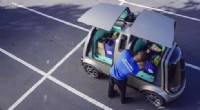
Diversification of Roles: While the demand for traditional driving jobs may decrease, the rise of self-driving technology could create new opportunities and roles within the transportation industry. For example, there may be a growing need for specialists who can maintain, repair, and oversee the operation of driverless vehicles. Additionally, the development of autonomous technology may lead to the emergence of new industries and services, requiring skilled workers in areas such as data analysis, software engineering, and artificial intelligence.
Gradual Transition: The timeline for the widespread adoption of fully autonomous vehicles is uncertain and could take decades. During this transition period, there will likely be a gradual shift towards automation, giving time for drivers to acquire new skills and explore alternative career paths. Governments, businesses, and educational institutions may play a role in facilitating this transition, providing training programs and support for drivers affected by the changes.
New Job Creation: While some jobs related to traditional driving may decline, the introduction of self-driving cars could also lead to the creation of new jobs in other sectors. For instance, there may be a growing demand for professionals in fields such as urban planning, traffic management, and infrastructure development to accommodate the shift towards autonomous vehicles. Additionally, self-driving technology may contribute to increased economic productivity and efficiency, potentially generating new job opportunities in various industries.
Adaptability and Education: In a rapidly changing job landscape, adaptability and continuous learning become essential. Workers impacted by the decline in traditional driving jobs may need to enhance their skills, pursue further education, or undergo retraining to explore new career options. Governments and educational institutions may play a crucial role in providing resources and programs to support this transition and help individuals thrive in the changing workforce.
Policy Considerations: The transition towards driverless cars raises important policy considerations and societal impacts. Governments and policymakers will need to address issues such as social safety nets, unemployment, and labor rights to mitigate the potential negative effects on drivers whose jobs may be displaced by automation. Striking a balance between technological advancement and social welfare will be crucial to managing this transition effectively.