Introduction:
Sports events, especially highly anticipated "big games," attract massive crowds, creating a unique challenge for security personnel to ensure the safety and well-being of attendees. These events often involve a complex mix of spectators, vendors, and event staff navigating crowded venues and surrounding areas. To effectively address emergencies, law enforcement agencies are embracing innovative technologies to enhance their situational awareness, response time, and overall crowd management.
1. Real-Time Data Analytics:
- Crowd Monitoring: Advanced surveillance systems equipped with real-time analytics can monitor crowd behavior and identify unusual patterns or potential risks. This data helps law enforcement pinpoint areas of congestion or potential bottlenecks before they escalate into emergencies.
- Incident Detection: These surveillance systems can also detect suspicious activities or incidents as they unfold, enabling a swift response from nearby security personnel.
2. Smart Video Surveillance:
- High-Definition Cameras: High-definition surveillance cameras can capture clear images and video footage, facilitating the identification of individuals involved in incidents or disturbances.
- Facial Recognition: Facial recognition software can compare live video feeds with databases of known individuals, assisting in identifying potential suspects or individuals of interest.
3. Thermal Imaging:
- Heat Signature Detection: Thermal imaging technology can detect heat signatures, helping identify individuals in distressed conditions or collapsed in crowded areas. This is particularly useful in large stadiums during a medical emergency.
4. Drones for Aerial Monitoring:
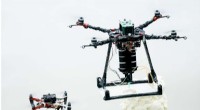
- Bird's Eye View: Drones equipped with cameras can provide a comprehensive overview of the event venue and its surroundings. This aerial perspective supports rapid response planning and crowd control measures.
5. Body-Worn Cameras:
- Officer Accountability: Body-worn cameras worn by law enforcement officers can capture interactions with the public and provide valuable evidence in case of disputes or allegations of misconduct.
6. Mobile Command Centers:
- Mobile Units: Fully equipped mobile command centers allow law enforcement agencies to set up temporary operations at strategic locations within or near the event venue, facilitating efficient coordination and resource allocation.
7. Digital Crowd Management:
- Smartphone Apps: Event-specific smartphone apps can provide real-time updates, emergency alerts, and interactive venue maps to attendees, empowering them to make informed decisions and seek help if needed.
8. Enhanced Communication Systems:
- Interoperability: Integrating different communication systems ensures seamless collaboration among various law enforcement agencies and event staff, enabling coordinated responses during emergencies.
Conclusion:
The adoption of state-of-the-art technologies has revolutionized emergency preparedness and response at sports events. By leveraging real-time data analytics, smart video surveillance, drones, body-worn cameras, mobile command centers, digital crowd management apps, and enhanced communication systems, law enforcement agencies are better equipped to address emergencies swiftly and effectively. These technological advancements contribute significantly to the safety of spectators and a more enjoyable and secure event experience for everyone involved.