1. How is air circulated on airplanes?
Air on airplanes is typically a mixture of fresh air from outside and recirculated air that is filtered through High-Efficiency Particulate Air (HEPA) filters. HEPA filters are highly efficient in removing harmful particles, including viruses, from the air.
2. How effective are HEPA filters in preventing the spread of viruses?
HEPA filters are highly effective in trapping even the smallest particles, including viruses. They have a removal efficiency of 99.97% or higher for particles 0.3 microns and larger.
3. What about the air from other passengers' coughs or sneezes?
When someone coughs or sneezes, they release respiratory droplets into the air. These droplets can potentially contain viruses. However, the HEPA filters will quickly remove these droplets from the air, reducing the risk of transmission to other passengers.
4. What about other surfaces on the airplane, like armrests and tray tables?
Regular cleaning and disinfection procedures are usually in place on airplanes to minimize the risk of transmission. However, it's still a good idea to practice good hygiene, such as washing your hands frequently and avoiding touching your face.
5. Should I wear a mask while traveling on an airplane?
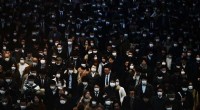
Wearing a well-fitting mask is an effective way to reduce the risk of spreading or inhaling airborne particles. Some airlines and destinations may require passengers to wear masks during travel. It's important to follow any guidelines and recommendations provided by your airline or local health authorities.
Although it's possible to contract a virus while traveling by airplane, the risk is generally low due to the use of HEPA filters and other safety measures. By practicing good hygiene, such as hand washing and wearing a mask, you can further reduce your risk of getting sick during air travel.
It's always advisable to stay informed about any travel advisories or health recommendations issued by your airline or public health authorities, as guidelines and regulations can change based on the prevailing situation.