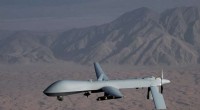
1. Aerial Spraying: Drones equipped with sprayers are used to disperse insecticides over large areas, targeting mosquito breeding sites and effectively reducing the mosquito population. This aerial spraying approach allows for precise and efficient coverage of even remote and inaccessible regions.
2. Larviciding: Drones equipped with larvicide dispensers can identify and treat stagnant water bodies, which serve as breeding grounds for mosquitoes. By targeting the larvae before they mature into adult mosquitoes, drones help reduce the overall mosquito population and prevent disease transmission.
3. Rapid Delivery of Medical Supplies: Drones can deliver essential medical supplies, including antimalarial medications, diagnostic kits, and blood samples, to remote healthcare centers and communities. This timely delivery ensures that patients have access to prompt and effective treatment, improving overall health outcomes.
4. Surveillance and Data Collection: Drones equipped with high-resolution cameras can capture aerial imagery and data on mosquito habitats, population distribution, and breeding sites. This information helps in creating targeted and evidence-based mosquito control strategies.
5. Mapping and Risk Assessment: Drones can create detailed maps of mosquito-prone areas, allowing health authorities to identify high-risk zones and allocate resources accordingly. This risk assessment helps in optimizing vector control efforts and focusing interventions where they are most needed.
6. Community Engagement and Awareness: Drones can be used for public health campaigns and awareness programs to educate communities about malaria prevention measures. Aerial messages, broadcasts, or visual displays can be deployed to reach a wider audience, especially in remote areas.
7. Disease Surveillance and Monitoring: Drones equipped with thermal cameras can detect elevated body temperatures, a potential indicator of malaria infection. This technology enables rapid identification and tracking of malaria cases, facilitating timely medical intervention and preventing outbreaks.
Overall, the use of drones in Zanzibar's anti-malaria efforts highlights the potential of innovative technologies to enhance disease surveillance, vector control, and healthcare delivery in resource-constrained environments. By leveraging the capabilities of drones, Zanzibar is exploring new avenues to combat malaria and improve public health outcomes.