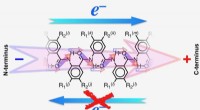
There are a number of different ways to evaluate the effectiveness of piezoelectrics for generating electricity. One common method is to measure the piezoelectric coefficient, which is a measure of the amount of electrical charge that is generated per unit of mechanical stress. Another method is to measure the power density, which is a measure of the amount of electrical power that can be generated per unit area of the piezoelectric material.
The piezoelectric coefficient and power density are both important factors to consider when selecting a piezoelectric material for generating electricity. However, it is also important to consider other factors, such as the cost, durability, and environmental impact of the material.
In general, piezoelectrics are a good choice for generating electricity in applications where there is a need for a small, lightweight, and efficient power source. They are also well-suited for applications where the mechanical stress is relatively low.
Here are some examples of applications where piezoelectrics are used for generating electricity:
* Automotive sensors: Piezoelectrics are used in a variety of automotive sensors, such as accelerometers and pressure sensors. These sensors can be used to monitor the vehicle's performance and to detect potential problems.
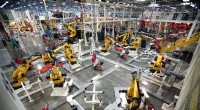
* Industrial machinery: Piezoelectrics are used in a variety of industrial machinery, such as robots and printing presses. These devices can use the piezoelectric effect to generate electricity to power their motors or other components.
* Consumer electronics: Piezoelectrics are used in a variety of consumer electronics, such as cell phones and digital cameras. These devices can use the piezoelectric effect to generate electricity to power their batteries or other components.
Piezoelectrics are a promising technology for generating electricity in a variety of applications. They are efficient, reliable, and environmentally friendly. As the technology continues to develop, piezoelectrics are likely to become even more widely used in the future.