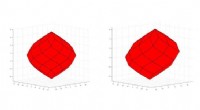
The process of creating black silicon begins with a clean silicon wafer. The wafer is then etched with a chemical solution, which creates tiny pits and pores in the surface. These pits and pores scatter light, preventing it from being reflected away from the wafer. Instead, the light is absorbed by the silicon, where it can be converted into electricity.
In addition to its use in solar cells, black silicon is also used in a variety of other applications, including:
* Photodetectors: Black silicon can be used to create photodetectors, which are devices that convert light into an electrical signal.
* Light-emitting diodes (LEDs): Black silicon can be used to create LEDs, which are devices that emit light when an electrical current is passed through them.
* Optical filters: Black silicon can be used to create optical filters, which are devices that selectively transmit or reflect light.
Here is a more detailed explanation of the process of creating black silicon:
1. Clean the silicon wafer. The first step is to clean the silicon wafer to remove any contaminants. This can be done using a variety of methods, such as:
* Chemical cleaning: The wafer is dipped into a chemical solution that removes any organic contaminants.
* Plasma cleaning: The wafer is exposed to a plasma, which is a hot, ionized gas that removes any inorganic contaminants.
2. Etch the silicon wafer. The next step is to etch the silicon wafer to create the tiny pits and pores. This can be done using a variety of etchants, such as:
* Hydrofluoric acid (HF): HF is a strong acid that selectively etches silicon.
* Potassium hydroxide (KOH): KOH is a strong base that etches silicon isotropically, meaning that it creates pits and pores that are evenly distributed across the surface.
3. Rinse the silicon wafer. After etching, the wafer is rinsed thoroughly to remove any residual etchant.
4. Dry the silicon wafer. The wafer is then dried using a stream of nitrogen gas.
The resulting black silicon wafer has a rough, textured surface that is highly absorbent of light. This surface can be used to create solar cells, photodetectors, LEDs, and optical filters.