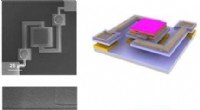
The concept of using a transistor's quantum fingerprint as an ID involves exploiting its intrinsic characteristics, which are nearly impossible to exactly duplicate. This could potentially provide a robust and reliable means of identifying individual transistors or devices in various contexts. Here are some key aspects to consider:
Uniqueness: Each transistor's quantum fingerprint is believed to be unique, similar to how human fingerprints are distinct for every individual. This uniqueness stems from microscopic variations in the transistor's structure and atomic arrangement, as well as quantum mechanical effects.
Tamper Resistance: The quantum properties of transistors are difficult to manipulate or alter without significantly disrupting the device's functionality. This inherent resistance to tampering makes a transistor's quantum fingerprint difficult to spoof or replicate, providing a high level of security for identification purposes.
Robustness: Transistor quantum fingerprints are expected to be stable over time and resistant to environmental factors such as temperature fluctuations, radiation, and electromagnetic interference. This robustness is crucial for reliable long-term identification in various conditions.
Readability: Extracting a transistor's quantum fingerprint requires specialized measurement techniques and analysis, often at extremely low temperatures. Advances in quantum sensing and characterization methods are necessary to make the reading process efficient and scalable.
Applications: The potential applications of transistor quantum fingerprints as an ID can be extensive, including:
1. Device Authentication: Transistors can be embedded in integrated circuits (ICs) or electronic devices to establish a trusted identity and prevent counterfeiting or cloning.
2. Supply Chain Tracking: Quantum-fingerprinted transistors could enable detailed tracking of electronic components throughout the supply chain, from manufacturing to distribution, ensuring quality control and preventing unauthorized alterations.
3. Internet of Things (IoT) Device Identification: As IoT devices proliferate, unique identification becomes crucial for managing vast networks of devices and ensuring their secure communication.
4. Defense and Security Applications: Quantum fingerprints can provide a means of identifying sensitive equipment or components to prevent unauthorized access or tampering.
5. Quantum Computing: Quantum-fingerprinted transistors could be beneficial for identifying and tracking qubits in quantum computing systems, where accurate qubit control and error correction are essential.
While the potential of using transistor quantum fingerprints for identification is evident, significant research and development are still required to overcome technical challenges, establish standards, and ensure widespread adoption of this technology. Researchers in quantum physics, material science, and engineering are actively exploring this field to unlock the full potential of quantum identification and its practical applications.