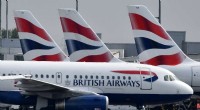
Airlines are a complex and fascinating industry. They play a vital role in the global economy, transporting people and goods all over the world. But how do airlines actually work?
The Basics of Airline Operations
An airline is a company that operates one or more aircraft to transport passengers or cargo. Airlines generate revenue by selling tickets to passengers and charging shippers for cargo space. The cost of operating an airline is high, so airlines must carefully manage their finances in order to be profitable.
The Different Types of Airlines
There are two main types of airlines: full-service airlines and low-cost carriers. Full-service airlines offer a wide range of services, including meals, drinks, and entertainment. Low-cost carriers offer no-frills service at a lower price.
The Structure of an Airline
An airline is typically organized into several departments, including:
* Flight operations: This department is responsible for the safe operation of the aircraft.
* Maintenance: This department is responsible for maintaining the aircraft in good working order.
* Marketing: This department is responsible for promoting the airline and selling tickets.
* Customer service: This department is responsible for handling customer inquiries and complaints.
The Airline Industry
The airline industry is a highly competitive one. Airlines compete with each other for passengers and cargo by offering lower prices, better service, and more convenient schedules. The airline industry has also been heavily affected by the COVID-19 pandemic, which caused a significant decline in travel demand.
The Future of Airlines
The future of airlines is uncertain. The COVID-19 pandemic has had a severe impact on the industry, and it is not clear when travel demand will return to pre-pandemic levels. Airlines are also facing challenges from new technologies, such as autonomous vehicles and high-speed rail. However, the airline industry is resilient and has survived many challenges in the past. It is likely that airlines will continue to play a vital role in the global economy for many years to come.
Here are some additional facts about airlines:
* The world's largest airline is American Airlines, which has a fleet of over 900 aircraft.
* The world's busiest airport is Hartsfield-Jackson Atlanta International Airport, which handles over 100 million passengers per year.
* The longest flight in the world is Singapore Airlines Flight 21, which travels from Singapore to New York City and takes over 18 hours.
* The airline industry generates over $2 trillion in revenue per year.
Airlines are a complex and fascinating industry that plays a vital role in the global economy. By understanding how airlines work, you can better appreciate the challenges and opportunities they face.