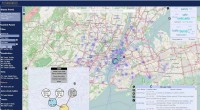
ATC works by using a variety of tools and technologies to track aircraft and communicate with pilots. These tools include radar, radio communication, and computer systems.
Radar is used to track the position and altitude of aircraft. Radar signals are sent out from ground-based stations, and they bounce off of aircraft and return to the stations. The time it takes for the signals to return to the stations can be used to calculate the distance and altitude of the aircraft.
Radio communication is used to communicate with pilots. ATC controllers use radios to give pilots instructions, such as when to take off, land, and change course. Pilots also use radios to communicate with ATC controllers, such as to request permission to take off or land, or to report any problems.
Computer systems are used to process radar data and radio communications. These systems can help ATC controllers to track aircraft more efficiently and to make better decisions about how to direct air traffic.
The ATC process
The ATC process begins when a pilot files a flight plan. A flight plan contains information about the aircraft, such as its type, size, and destination. ATC controllers use this information to plan the aircraft's route and to coordinate its movements with other aircraft.
Once the flight plan is filed, the aircraft is assigned a squawk code. A squawk code is a four-digit number that identifies the aircraft to ATC radar. The squawk code is displayed on the aircraft's transponder, which is a device that transmits the code to ATC ground stations.
As the aircraft approaches an airport, ATC controllers will begin to give the pilot instructions on how to land. These instructions may include information about the aircraft's landing speed, runway, and approach path.
The pilot will follow the ATC controller's instructions and land the aircraft. Once the aircraft is on the ground, ATC controllers will direct it to a parking spot.
ATC safety
ATC is an essential service for ensuring the safety of air travel. ATC controllers use a variety of tools and technologies to track aircraft and communicate with pilots. This helps to prevent accidents and to keep the skies safe.
Here are some of the safety features of ATC:
* Radar: Radar is used to track the position and altitude of aircraft. This helps ATC controllers to avoid collisions between aircraft.
* Radio communication: Radio communication is used to communicate with pilots. This helps ATC controllers to give pilots instructions and to receive reports of any problems.
* Computer systems: Computer systems are used to process radar data and radio communications. This helps ATC controllers to make better decisions about how to direct air traffic.
* Separation standards: ATC controllers use separation standards to ensure that aircraft are always kept a safe distance apart.
* Emergency procedures: ATC controllers have emergency procedures in place to deal with any problems that may occur, such as a lost aircraft or a medical emergency.
ATC is a complex and challenging job. ATC controllers must be highly skilled and experienced in order to safely and efficiently manage air traffic.