How does artificial vision work?
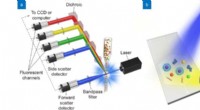
Artificial vision systems typically use a combination of cameras, sensors, and algorithms to process visual information and extract meaning from it. The cameras capture images or videos of the world, and the sensors measure the intensity of light, color, and other properties of the images. The algorithms then analyze the data from the cameras and sensors to identify objects, track movement, and interpret the scene.
What are the challenges of artificial vision?
One of the biggest challenges of artificial vision is that it is extremely complex. The human visual system is incredibly powerful, and it is difficult to replicate its capabilities in a machine. Another challenge is that artificial vision systems are often required to operate in real-time, which means that they must be able to process large amounts of data very quickly.
What are the applications of artificial vision?
Artificial vision is already being used in a variety of applications, including:
* Medical imaging: Artificial vision systems can be used to help doctors diagnose diseases by identifying abnormalities in medical images.
* Manufacturing: Artificial vision systems can be used to inspect products for defects, guide robots, and automate assembly line tasks.
* Transportation: Artificial vision systems can be used to help self-driving cars navigate, detect pedestrians and other obstacles, and avoid accidents.
* Security: Artificial vision systems can be used to monitor security cameras, identify suspicious activity, and recognize individuals.
* Entertainment: Artificial vision systems can be used to create virtual reality experiences, track user movement in video games, and generate special effects in movies and television shows.
The future of artificial vision
The field of artificial vision is rapidly evolving, and new applications are being developed all the time. As artificial vision systems become more powerful and affordable, they will likely become even more prevalent in our everyday lives.
Here are a few ways that artificial vision could impact our future:
* Healthcare: Artificial vision systems could help to improve early detection and treatment of diseases, leading to better patient outcomes and reduced healthcare costs.
* Manufacturing: Artificial vision systems could help to improve product quality, reduce waste, and increase productivity.
* Transportation: Artificial vision systems could help to make self-driving cars safer and more reliable.
* Security: Artificial vision systems could help to make our homes, businesses, and communities safer.
* Entertainment: Artificial vision systems could help to create more immersive and realistic entertainment experiences.
The potential of artificial vision is enormous, and it is likely that this technology will play an increasingly important role in our lives in the years to come.