1. Assessment and Measurement: Before a prosthetic limb can be created, a comprehensive assessment of the individual's condition and needs is conducted. This includes measurements of the residual limb, evaluation of muscle strength and function, and consideration of the individual's lifestyle and activities.
2. Prosthetic Design: Based on the assessment, a prosthetist, which is a healthcare professional specializing in prosthetics, designs the prosthetic limb. The design takes into account factors such as the type of amputation, the desired functionality, and the individual's cosmetic preferences.
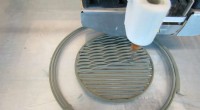
3. Materials and Construction: Prosthetic limbs are typically made from various materials, such as carbon fiber, titanium, aluminum, and silicone. The choice of materials depends on the specific design and requirements. Advanced technologies like 3D printing are often used to create customized prosthetic components.
4. Socket System: The socket is a crucial component that connects the prosthetic limb to the residual limb. It is typically custom-designed to ensure a snug and comfortable fit. The socket may incorporate various mechanisms to securely hold the prosthetic limb in place.
5. Suspension and Alignment: Prosthetic limbs are attached to the body using different suspension systems. These systems include straps, harnesses, or suction mechanisms. Proper alignment is essential to ensure the prosthetic limb functions correctly and provides optimal comfort and functionality.
6. Joints and Control Mechanisms: Prosthetic limbs often incorporate joints that allow for movement and flexibility. These joints can be passive, allowing for manual articulation, or active, powered by motors or hydraulics to provide dynamic movement. Control mechanisms, such as cables or electronic sensors, enable users to control the movement of their prosthetic limb.
7. Myoelectric Control: Some advanced prosthetic limbs use myoelectric control, which harnesses the electrical signals generated by muscles. These signals are detected by electrodes placed on the skin and converted into commands that control the movements of the prosthetic limb.
8. Training and Rehabilitation: After receiving a prosthetic limb, individuals undergo a period of training and rehabilitation to learn how to use and control it effectively. This process typically involves working with a physical therapist or occupational therapist to develop skills and strategies for daily activities.
It's important to note that the field of prosthetics is continually evolving, with new technologies and innovations emerging to improve prosthetic functionality, comfort, and user experience.