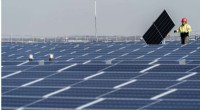
1. Grid-scale Solar Power Plants Integration:
- Engineers design solar farms with thousands of solar panels arranged in arrays, optimizing energy production and minimizing land usage.
- Advanced inverters convert direct current (DC) power from solar panels into alternating current (AC), compatible with the grid.
- Smart grid technologies facilitate real-time monitoring and control of solar power plants to balance power supply and demand.
2. Distributed Solar PV Systems:
- Rooftop solar panels and community-shared solar setups generate electricity close to consumers.
- Net metering enables households to sell excess solar energy back to the grid, benefiting both the grid and the solar owners.
- Intelligent load management systems balance solar generation with household consumption to optimize energy use.
3. Solar Forecasting and Predictive Analytics:
- Engineers develop sophisticated weather forecasting models to predict solar energy production.
- Smart grid algorithms use these predictions to optimize power dispatch, storage, and demand response.
- Predictive analytics help utilities anticipate variations in solar generation and integrate it seamlessly into the grid's operations.
4. Energy Storage Integration:
- Integrating battery systems allows for storing excess solar energy when production is high and releasing it when demand is greater.
- Optimized storage scheduling ensures that grid stability is maintained during times of intermittent solar power.
- Energy management systems coordinate solar generation, storage, and grid operation to maximize efficiency.
5. Microgrid and Off-grid Solutions:
- Engineers design stand-alone solar-powered microgrids that provide electricity to remote areas or in emergency situations.
- Off-grid solar systems offer reliable power to regions with limited grid access.
- Smart controllers manage power distribution, storage, and renewable energy integration in these systems.
6. Smart Inverters and Grid Monitoring:
- Advanced inverters incorporate artificial intelligence (AI) and machine learning algorithms to monitor and respond to grid conditions.
- Real-time data communication enables inverters to adjust solar power output based on grid stability requirements.
- Grid monitoring systems collect and analyze data from solar installations to optimize performance.
7. Demand Response Programs:
- Time-of-use tariffs and load management programs encourage consumers to shift their electricity usage to times when solar power is abundant.
- Smart appliances, thermostats, and electric vehicle chargers contribute to demand response, supporting grid stability.
8. Virtual Power Plants:
- Virtual power plants aggregate multiple distributed solar installations into a single virtual power source.
- Centralized management and coordination of virtual power plants enhance the overall efficiency and reliability of solar power.
9. Cybersecurity Measures:
- As solar technologies integrate with the smart grid, robust cybersecurity measures protect against cyber threats and ensure the security of data and critical infrastructure.
10. Collaboration and Standards:
- Engineers work closely with utilities, policymakers, and industry stakeholders to develop standards and guidelines for the successful integration of solar technologies.
- Collaboration fosters innovation, knowledge-sharing, and the development of best practices.
By leveraging these engineering advances, smart electric grids can accommodate increasing amounts of solar power, ensuring a sustainable, resilient, and environmentally friendly energy future.