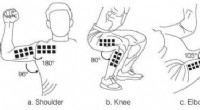
The e-skin display employs organic electronic materials and is thinner and more flexible than the rigid electronic displays used in smartphones and tablets, Someya said.
While skin-like displays are not a new concept, many existing electronic skin prototypes tend to be bulky, rigid and uncomfortable to wear for long periods of time. The challenge in creating a display as thin and flexible as a second layer of skin lies in the use of rigid inorganic semiconductors.
To avoid this, the researchers opted to use organic polymers made up of carbon and hydrogen. Organic semiconductors have been used in e-book displays and television sets but are not commonly found in electronic skin. But the polymers are more bendable and can cover curved surfaces, making them more wearable.
"There are a lot of challenges to be solved before this type of display can become commercially available," Someya said. "The durability and lifetime of the display will have to be improved. We also need to reduce the power required by the display and find ways to integrate it into clothing or other wearable surfaces in an aesthetically pleasing way."
To achieve these goals, the researchers are considering a variety of approaches, including exploring different types of polymers and encapsulation methods to improve the display's durability and flexibility, as well as optimizing the display's power efficiency.
Despite these challenges, the progress made with e-skin display technology holds promise for future innovations in wearable devices and could contribute to the development of personalized digital experiences that integrate more seamlessly into everyday life.