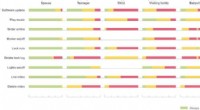
How racial bias can limit Internet access
* Redlining. Redlining is the practice of denying loans, insurance, or other services to people based on their race or ethnicity. This practice can make it difficult for people of color to afford a computer or an Internet connection.
* Discrimination in employment. People of color are more likely to be unemployed or underemployed than white people, which makes it difficult for them to afford a computer or an Internet connection.
* Lack of digital literacy. People of color are less likely to have the digital skills they need to access the Internet. This is because they are less likely to have access to computers or other digital devices, and they are less likely to receive digital literacy training.
* Algorithms. Algorithms are used to make decisions about who gets to see what online. These algorithms can be biased against people of color, resulting in them being less likely to see ads for jobs, housing, or other opportunities.
The impact of racial bias on Internet access
The lack of Internet access can have a number of negative consequences for people of color. These consequences include:
* Limited educational opportunities. The Internet is an important tool for education, but people of color who do not have access to the Internet are at a disadvantage. This is because they are less likely to have access to online resources, and they are less likely to be able to complete online assignments.
* Less job opportunities. Many jobs require employees to have Internet access. This is because employees need to be able to communicate with colleagues, access data, and complete tasks online. People of color who do not have Internet access are less likely to be hired for these jobs.
* Limited access to healthcare. The Internet can be a valuable resource for people who are trying to manage their health. People of color who do not have access to the Internet are less likely to be able to find information about their conditions, make appointments, or manage their medications.
* Social isolation. The Internet can be a way for people to stay connected with friends and family, and to participate in their communities. People of color who do not have access to the Internet are more likely to be socially isolated.
Conclusion
Racial bias can limit Internet access for people of color in a number of ways. This has a number of negative consequences for people of color, including limited educational opportunities, less job opportunities, limited access to healthcare, and social isolation.