How Do Smart Traffic Lights Work?
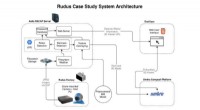
1. Data Collection: Smart traffic lights are equipped with sensors that collect real-time data on traffic volume, speed, and patterns. This information provides a comprehensive understanding of the prevailing traffic conditions.
2. Data Processing: The collected data is analyzed using advanced algorithms and artificial intelligence to identify congestion patterns, bottlenecks, and areas of improvement.
3. Adaptive Signal Timing: Based on the processed data, smart traffic lights adjust their timing dynamically to optimize traffic flow. They can prioritize certain directions or lanes based on real-time demand, ensuring a smoother flow of vehicles.
4. Interconnection and Coordination: Smart traffic lights are interconnected, enabling communication and coordination among themselves. This allows them to synchronize their timing and respond collectively to changing traffic patterns, creating a more efficient traffic system.
Benefits of Smart Traffic Lights:
1. Reduced Congestion: Smart traffic lights can reduce traffic congestion by up to 30%. This means less time spent in gridlock, allowing commuters and businesses to save time and money.
2. Improved Air Quality: By reducing congestion and fuel consumption, smart traffic lights contribute to improved air quality, benefiting public health and reducing greenhouse gas emissions.
3. Increased Safety: Optimized traffic flow and reduced congestion can lead to fewer accidents and improved road safety for all road users.
4. Enhanced Mobility: Smart traffic lights enable smoother and more efficient traffic flow, making it easier for people and goods to move around the city.
5. Data-Driven Decision-Making: The real-time data collected by smart traffic lights provides valuable insights for urban planners and transportation authorities, enabling data-driven decision-making and policy formulation.
Challenges and Limitations:
1. Implementation Costs: Smart traffic lights require substantial investment for installation and maintenance, which may be a challenge for some cities.
2. Technology Complexity: The technology behind smart traffic lights can be complex, requiring skilled personnel for operation and management.
3. Data Privacy: The collection and use of real-time traffic data raise concerns about privacy and data security, requiring robust measures to protect sensitive information.
4. Integration with Existing Infrastructure: Integrating smart traffic lights into existing infrastructure can be complex, particularly in older cities with established traffic systems.
Conclusion:
Smart traffic lights hold immense potential in easing gridlock and transforming urban mobility. Their ability to adapt to changing traffic patterns and optimize traffic flow in real-time makes them a valuable tool for cities aiming to improve their transportation networks. However, successful implementation requires careful planning, investment, and attention to data privacy and technology integration. As these systems continue to evolve and become more accessible, smart traffic lights are poised to play a pivotal role in shaping the future of urban transportation and making cities more efficient, sustainable, and livable.