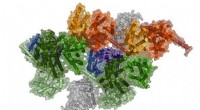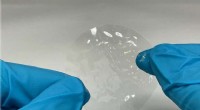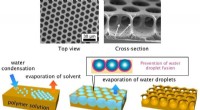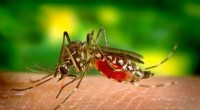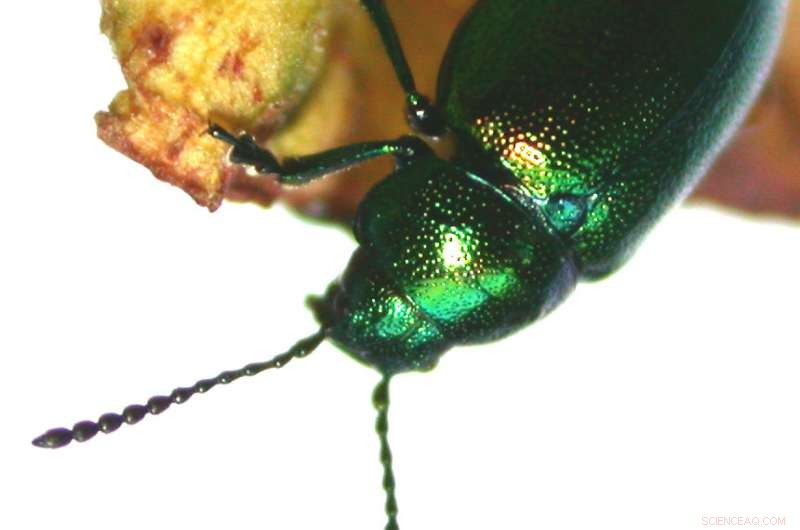
Abb4: Green dock beetle (Gastrophysa viridula) Credit: all credit Dept. Functional Morphology and Biomechanics, Christian-Albrechts-Universität zu Kiel
Insects are able to climb almost any type of surface using their specialised adhesive organs. So far, most technical solutions to control insect pests involve toxic or sticky components, which need to be frequently renewed. Scientist at the Biomimetics-Innovation-Centre Bremen and Kiel University have now developed and tested a new bio-inspired repellent technology without toxic or sticky components.
"There are a few natural surfaces that make it difficult for insects to climb and walk across," said Dr. Elena Gorb (Kiel University). "One thing these slippery surfaces have in common is that they use combinations of different roughness. The nanostructured surfaces are not smooth enough for the adhesive pads, and not rough enough for the claws to interlock. This makes it difficult for many insects to climb."
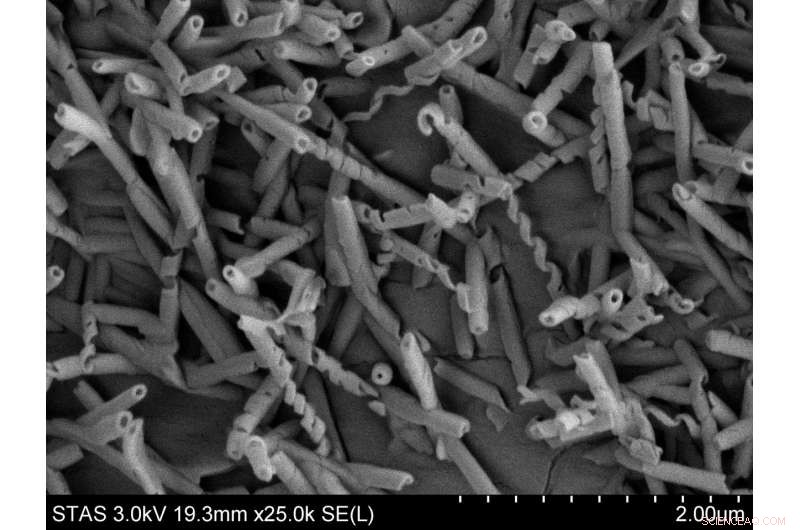
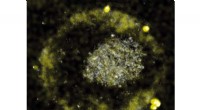
Abb3: Scanning electron microscopy of wax structure on a plant surface Credit: all credit Dept. Functional Morphology and Biomechanics, Christian-Albrechts-Universität zu Kiel
For the first time, the groups from Bremen and Kiel have now built and tested a nanostructured insect repellent together with a swiss manufacturer of polymeric foils. A special feature of the new approach is the possibility to adapt the dimensions of the nanostructure to prevent only certain groups of insects from climbing up the surfaces.
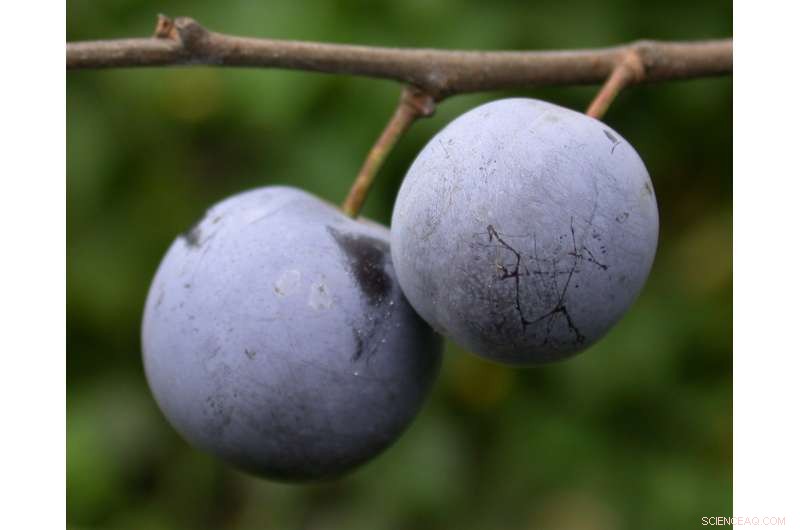
Abb2: Wax structure on plant fruit Credit: all credit Dept. Functional Morphology and Biomechanics, Christian-Albrechts-Universität zu Kiel
"This ability allows us to, for example, distinguish between pollinating and unwanted insects—a much better and more ecological approach in comparison to the typically used 'chemical maze' pesticides." said Prof. Dr. Jan-Henning Dirks Dirks (HSB).
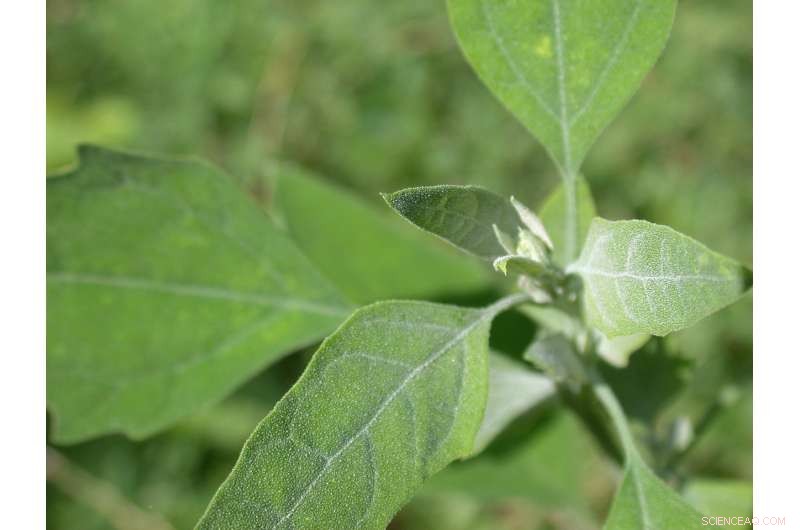
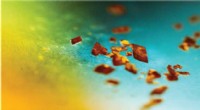
Abb1: Microstructured surface on plant leaf Credit: (all credit Dept. Functional Morphology and Biomechanics, Christian-Albrechts-Universität zu Kiel
In addition, the nanostructured polymeric foils are much more durable and can be easily used in difficult-to-reach appliances such as air-conditioners and ventilation ducts. As a next step, the researchers are trying to improve the efficiency of their new surfaces.