By Julia Salgado – Updated Mar 24, 2022
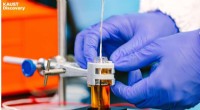
Fermentation is an anaerobic biochemical process that converts sugars into alcohol and carbon dioxide. The reaction occurs in sealed, airtight vessels to keep oxygen out.
Glucose, a six‑carbon monosaccharide, is the primary carbohydrate that yeast ferments. First isolated from raisins by Andreas Marggraf in 1747, glucose’s structure oscillates between linear and cyclic forms, enabling it to serve as a versatile substrate for microbial metabolism.
Yeast is a single‑cell microorganism, not a chemical reagent. It supplies the enzymes that cleave glucose into ethanol and carbon dioxide. Although the yeast cells remain intact throughout the process, their catalytic activity is essential for fermentation.
The breakdown of glucose yields ethanol (C₂H₅OH) and carbon dioxide. Ethanol is the alcohol found in beer, wine, and other fermented beverages, while CO₂ is released as a gas.
Oxygen must be excluded from the fermentation chamber. Introducing oxygen leads to the formation of acetic acid, which imparts a vinegar‑like off‑taste and spoils the batch. Therefore, fermentation vessels are kept sealed and monitored for oxygen ingress.
etorres69/iStock/GettyImages