By Rochelle Leggett
Updated Mar 24, 2022
MadamLead/iStock/GettyImages
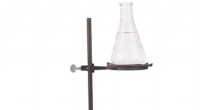
Strong acids and bases present significant health hazards, so selecting the correct container is essential for safety and compliance with industry regulations. Each chemical class has distinct reactivity profiles, meaning some materials are suitable for acids but not for bases, and vice versa. The following guide outlines the most reliable bottle materials and key design features for safe storage.
Bottles for acids and bases are typically made from glass, polymethylpentene, polyethylene, or Teflon. Each offers unique resistance to corrosion, mechanical durability, and chemical compatibility.
Standard soda‑lime glass is highly inert toward most aqueous acids and bases, and its nonporous surface prevents absorption or contamination. Glass is the default choice for many laboratories and industrial settings. However, glass’s brittleness can pose a safety risk; broken containers can create sharp shards and spill hazards. Certain corrosive agents—most notably hydrofluoric acid—react aggressively with glass and should instead be stored in specialized plastics such as polymethylpentene or Teflon.
Polymethylpentene is a high‑clarity, high‑temperature plastic that resists corrosion from a wide range of acids and bases. It is commonly used for beakers, graduated cylinders, and storage vessels in research labs. PMP offers excellent chemical resistance while being lighter and less fragile than glass, making it a practical choice for medium‑strength solutions.
High‑density polyethylene (HDPE) is one of the strongest, most impact‑resistant plastics available. It is chemically compatible with acids and bases of varying strengths, and its robust construction minimizes breakage and spills. HDPE is widely used for waste bags, bulk containers, and pumps, and is ideal for long‑term storage in both laboratory and industrial contexts.
Teflon (polytetrafluoroethylene) is renowned for its chemical inertness; virtually no substance adheres to its surface. It withstands aggressive oxidizers and strong bases, including sulfuric acid, nitric acid, and sodium hydroxide. Teflon‑coated containers are therefore the go‑to choice for highly reactive chemicals, especially when mixed solutions may generate gases.
Regardless of material, a container must have a secure, tight‑fitting cap to prevent leaks and exposure. Loose glass stoppers are unsuitable for long‑term storage. For solutions that produce gases, venting or pressure‑relief features are essential to avoid rupture. Clear, durable labeling—ideally with hazard pictograms—ensures that the contents are immediately identifiable and handled correctly.
Adhering to these guidelines will help you maintain safety, preserve product integrity, and comply with regulatory standards such as OSHA’s Hazard Communication Standard and the NFPA 30 Liquids Flammable and Combustible Liquids regulations.