By Renee Miller • Updated March 24 2022
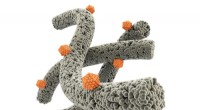
Gelatin is a naturally derived food ingredient produced from animal by‑products and contains no additives or preservatives. It is widely used in desserts such as Jello, pie fillings, puddings, marshmallows, and various sauces and dips. The transition from liquid to solid occurs when the protein strands of gelatin intertwine to form a three‑dimensional mesh that traps water and other ingredients.
Gelatin is sourced from one of three types of collagen: pork skin, beef skin, or bone. These by‑products of the meat industry are purchased from abattoirs and meat packers, then meticulously cut, washed, and cleaned to remove non‑collagenous material before processing.
Collagen, a structural protein found in all animals, provides shape and integrity. In gelatin production, the collagen is chemically modified so it does not set until it is cooked. When gelatin is dissolved in water, the tiny, spaghetti‑like protein strands become entwined, creating a network of pores that hold water, sugar, and flavor additives. Cooling this network solidifies the mixture into a gelatinous, jiggly mass.
Gelatin is classified as either Type A or Type B based on its source. Type A gelatin is derived from pig skin and produced via an acid process, whereas Type B gelatin comes from beef and is produced using both alkaline and acid processes. Additionally, gelatin is graded by its bloom strength—higher bloom numbers indicate a firmer gel.
Solidification begins with dissolving gelatin in a liquid. Three common methods are employed: