If a bowl of ice cream leaves you feeling bloated, the culprit may be a lack of lactase, the enzyme that breaks down lactose into digestible sugars. While most infants and many adults—particularly those of European descent—produce lactase throughout life, up to 65% of adults worldwide, especially those of Asian ancestry, experience lactase deficiency, leading to lactose intolerance.
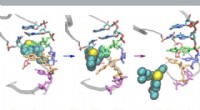
Lactase is a member of the glycoside hydrolase superfamily, enzymes that cleave glycosidic bonds in carbohydrates and glycoconjugates. This family includes diverse enzymes that degrade cellulose, starch, and sugar‑protein complexes. Within this group, lactase belongs to the beta‑galactosidase family, characterized by their ability to hydrolyze galactose‑containing substrates.
Lactose is a disaccharide composed of one galactose and one glucose molecule linked by a β‑1,4 glycosidic bond. Lactase cleaves this bond in the small intestine, releasing free glucose and galactose, which are then absorbed into the bloodstream. When lactase production is insufficient, undigested lactose travels to the large intestine, where resident bacteria ferment it, producing gases such as methane and hydrogen that cause the typical symptoms of lactose intolerance.
Individuals who lack sufficient lactase can still enjoy dairy products by choosing lactose‑free options that have had lactase added during processing, or by taking lactase enzyme supplements before consuming dairy. These strategies allow the body to digest lactose efficiently, reducing discomfort.
For more detailed information, consult peer‑reviewed studies on lactase persistence (e.g., the LCT gene variant studies published in Nature Genetics and the WHO’s Global Burden of Disease reports).