Synthetic rubber seals—such as Nitrile (Buna‑N), Viton fluoroelastomer, EPDM, and PTFE (Teflon)—are common in industrial applications. While they excel in thermal and chemical resistance, each material reacts differently to specific chemicals. Choosing the correct seal for a given service is essential to prevent premature failure.
Petroleum‑based hydraulic oils and greases contain long‑chain hydrocarbons that can aggressively attack EPDM seals, often dissolving them. Buna‑N performs best with these petroleum chemicals, though it should be avoided in brake fluid (glycol ethers). Viton seals are vulnerable to ethers, and gasoline can moderately affect EPDM; certain fuels are not recommended for Viton.
Acids—pH < 7.0—include organic acids (e.g., acetic acid) and mineral acids (e.g., hydrochloric, hydrofluoric, sulfuric). Acetic acid damages Viton and Buna‑N. Hydrochloric, hydrofluoric, and sulfuric acids degrade Buna‑N, while the preservative benzoic acid is harmful to EPDM.
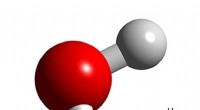
Alkalis—pH > 7.0—contain hydroxide ions. Anhydrous ammonia, although not a classic alkali, has a high pH and can harm Viton. Magnesium hydroxide, a weak base, is unsuitable for Buna‑N. Sodium hydroxide, a strong base, damages Buna‑N, especially at elevated temperatures.