By Mark Kennan | Updated Mar 24, 2022
Maintaining the proper pH in aquarium water is critical for the health and longevity of fish. Most freshwater species thrive between pH 6.5 and 7.5; values that fall outside this range can cause stress, impaired growth, or even death. This guide outlines proven methods to safely lower pH, including CO2 injection, acid buffers, and filtration, while highlighting best practices and safety precautions.
Injecting carbon dioxide through a dedicated aquarium CO2 system turns dissolved CO₂ into carbonic acid, which gently lowers pH. The advantage of this method is that it mimics natural reef processes and can be finely controlled with a pH controller. Drawbacks include the need for a CO₂ tank, regulator, and a CO₂ regulator, as well as ongoing monitoring to avoid over‑acidification.
Adding a commercial phosphoric‑acid buffer will typically bring the pH down to around 6.5. Because phosphates are nutrients for algae, use this method sparingly and monitor the total phosphate level. In heavily planted tanks, excess phosphate may promote unwanted algal blooms.
Hydrochloric acid can provide a rapid pH drop, but it is highly corrosive. Follow the manufacturer’s dosing instructions precisely, starting with a very small volume and adding slowly while monitoring the pH every 5–10 minutes. A gradual approach minimizes the risk of pH overshoot and protects the tank’s biological filtration.
Resin‑based tap‑water filters strip minerals such as sodium, potassium, and fluoride, often lowering pH naturally. A typical filter can process roughly ten gallons per hour. Replace resin cartridges as recommended to maintain performance.
Using reverse‑osmosis (RO) or distilled water is an excellent way to start with a neutral pH baseline. Mix RO water with tap water to reach the desired pH, then adjust with small amounts of buffering agents.
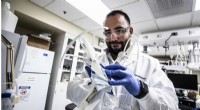
Acids are hazardous. Wear gloves, goggles, and work in a well‑ventilated area. Store acids out of reach of pets and children. Always add acid to water, never the reverse, to prevent splashing.
When adjusting pH, test the water every 30 minutes until a stable reading is achieved. Maintain a log of changes so you can track the effectiveness of each method and avoid accidental overshoots.