By John Brennan
Updated Aug 30, 2022
ballero/iStock/GettyImages
When a Bronsted acid dissolves in water, it releases hydrogen ions (H⁺), raising the solution’s hydrogen‑ion concentration. Chemists express this concentration as pH: the lower the pH value, the higher the density of hydrogen ions. The pH scale ranges from 0 (strongly acidic) to 14 (strongly alkaline), with 7 representing neutrality. In the human body, precise pH regulation is essential for numerous physiological processes.
Hydrogen ions are the building blocks of the pH scale, which spans 0–14. In aqueous solutions, free H⁺ quickly binds to water to form hydronium (H₃O⁺). The body maintains pH to preserve protein structure, drive digestive reactions, and regulate blood oxygen transport.
In water, isolated hydrogen ions do not exist; they immediately associate with H₂O to create hydronium ions (H₃O⁺). Consequently, pH reflects the concentration of hydronium rather than free H⁺. A pH of 7 denotes an equal concentration of H⁺ and hydroxide (OH⁻) ions, while pH values closer to 0 indicate a high concentration of hydrogen ions and pH values nearer 14 indicate a low concentration.
Proteins rely on hydrogen bonds between amino acids to maintain their three‑dimensional shape. Variations in hydrogen‑ion concentration can alter these bonds, causing proteins to misfold or lose function. To prevent such disruptions, cells employ buffering systems and compartmentalized pH control. For instance, lysosomes keep a low pH to facilitate the degradation of cellular waste.
Parietal cells lining the stomach secrete H⁺ and Cl⁻, which combine to form hydrochloric acid (HCl). This acid lowers gastric pH to around 1–2, killing ingested bacteria and activating the enzyme pepsin. Pepsin’s optimal activity requires a specific hydrogen‑ion environment, allowing it to cleave dietary proteins into peptides. When chyme exits the stomach, pancreatic bicarbonate neutralizes the acid, protecting the intestinal mucosa.
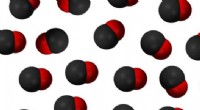
Blood pH is tightly maintained between 7.2 and 7.4. Cellular respiration produces CO₂, which reacts with water to generate carbonic acid, slightly elevating hydrogen‑ion concentration. This modest acidity prompts hemoglobin to release oxygen to tissues. Hemoglobin then binds CO₂ and H⁺ for transport back to the lungs, where lower CO₂ levels drive diffusion out of the blood, raising blood pH and enhancing oxygen uptake.
By understanding how hydrogen ions influence pH, we gain insight into the delicate balance that sustains life.