By Fiona Tapp — Updated Aug 30, 2022
Dry ice isn’t just a party trick; it’s a versatile material that can be transformed into liquid CO₂ right in your kitchen, provided you follow strict safety protocols.
Carbon dioxide is unique because it can exist in all three states—gas, liquid, and solid—under the right conditions. At atmospheric pressure (1 atm), CO₂ skips the liquid phase entirely and turns straight into dry ice (solid) below – 109.3 °F (– 78 °C). To create liquid CO₂, you must raise the pressure to about 5.1 atm (≈ 75 psi) while keeping the temperature below – 69 °F (– 56 °C). This triple‑point allows the gas to condense into a fleeting liquid before it sublimates back into solid or gas.
Below is a safe, step‑by‑step method that uses common household items. Always wear proper protective gear and work in a well‑ventilated area.
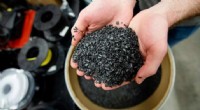
Transport the dry ice in an insulated cooler to keep it from sublimating. Once at home, use a hammer to chip it into smaller, rounded pieces that resemble crushed ice. This increases the surface area and speeds up the melting process.
Take a plastic pipette and cut off a small section of the tip to create a large opening. Scoop a few dry‑ice chunks into the bulb end. Close the open end with needle‑nose pliers, forming a makeshift sealed chamber.
Submerge the sealed pipette in the warm water container. As the dry ice melts, the internal pressure rises. Once the pressure surpasses 5.1 atm, the CO₂ will condense into liquid for a brief moment. The bulb will eventually burst, releasing CO₂ gas that creates bubbles in the water.
Dry ice can cause severe frostbite or burns if it contacts skin or eyes. Follow these guidelines to protect yourself and others.
Keep dry ice in a ventilated container that allows gas to escape. The University of Vermont notes that sealing the ice in a non‑ventilated space can lead to dangerous pressure buildup and potential explosions.
Always wear thick, heavy‑duty gloves and safety goggles when handling dry ice or liquid CO₂. This protects against both cold burns and accidental splashes.
CO₂ is heavier than air and can accumulate near the floor. Conduct the experiment outdoors or in a well‑ventilated room to avoid inhalation risks.
By adhering to these steps and precautions, you can safely observe the fascinating transition of CO₂ from solid to liquid—and back—right in your own kitchen.