By Maria Cook | Updated Aug 30, 2022
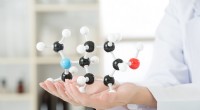
Image source: dmetalfinch/iStock/GettyImages
A chemical reaction is the rearrangement of atoms that transforms reactants into products. While analytical chemistry ultimately confirms a reaction, scientists rely on a set of observable signs to identify when a reaction has occurred.
A reaction occurs when two or more substances combine and produce new molecular or ionic structures. Common indicators include color shifts, texture changes, odor alterations, temperature swings, gas evolution, and precipitate formation. Detailed analysis is required for definitive confirmation.
Visual cues are often the first signals that a reaction is underway. However, not every visual change guarantees a chemical transformation.
While these signs are common, they are not definitive on their own.
Beyond what the eye can see, several measurable changes point to a reaction.
When multiple indicators appear together, confidence that a chemical reaction has taken place increases significantly.
In laboratory practice, these observations guide the decision to conduct further analytical testing to confirm the identity of products and verify the reaction pathway.