By Brett Smith, updated August 30, 2022
Hydrogen peroxide is a ubiquitous by‑product of metabolic processes. The enzyme catalase rapidly converts this potentially damaging molecule into harmless water and oxygen. Like all proteins, catalase’s performance is temperature‑dependent, peaking near the human core temperature of 37 °C.
One molecule of catalase can decompose roughly 40 million molecules of hydrogen peroxide per second, a rate that can be visualized by the vigorous release of oxygen bubbles when the enzyme is mixed with peroxide.
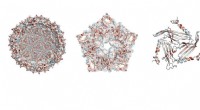
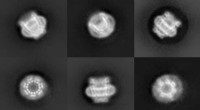
Catalase is a tetramer of four polypeptide chains, each exceeding 500 amino acids. Four iron‑containing heme groups reside at the heart of the active site, allowing the enzyme to bind two peroxide molecules simultaneously. The catalytic cycle involves proton transfer and the formation of water, freeing an oxygen atom that reacts with a second peroxide molecule to produce water and O₂.
Rising temperatures loosen intramolecular hydrogen bonds, increasing the flexibility of the active site and accelerating catalysis up to an optimum. Beyond 37 °C the enzyme begins to denature, losing its tertiary structure and, consequently, its catalytic ability. Conversely, at lower temperatures the reduced kinetic energy slows substrate diffusion and bond cleavage, diminishing activity.
Although catalase is crucial for detoxifying peroxide, genetically engineered mice that lack the enzyme display a normal phenotype under laboratory conditions. However, some studies link catalase deficiency to metabolic disorders, such as type 2 diabetes, suggesting compensatory antioxidant pathways in vivo. In addition, the rapid breakdown of peroxide by catalase underpins its use as a natural disinfectant in medical settings.