By Melissa Mayer | Updated Aug 30, 2022
Temperature rise, color shift, new odor, precipitate formation, and bubbling are classic signs that a chemical reaction is occurring.
Physical changes are reversible and leave a substance’s chemical identity intact. They involve alterations in size, shape, texture, or phase—melting ice into water is a classic example. In contrast, chemical changes break and form bonds, producing new substances that cannot simply be undone.
Heat released spontaneously when two substances combine signals an exothermic reaction. The thermite reaction, for instance, generates intense heat and propels fireworks.
A spontaneous shift in hue indicates the formation of new chemical species. Iron exposed to air turns from silvery gray to reddish‑brown rust—a visible marker of oxidation.
The emergence of a distinct scent that wasn’t present before the reaction started points to new molecules forming. A rotten egg’s pungent smell results from the irreversible decomposition of sulfur‑containing compounds.
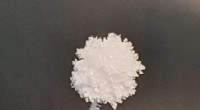
When a solid suddenly appears in a liquid, the solution has undergone a chemical transformation. Soap scum—an insoluble precipitate that forms when minerals in hard water react with soap—is a familiar household example.
Bubbling is a vivid cue that a reaction is underway. Mixing vinegar and baking soda produces carbon dioxide bubbles, a product of an acid‑base reaction followed by decomposition.
Although distinguishing between physical and chemical changes can initially seem daunting, recognizing these five observable signs streamlines the process and enriches your grasp of chemical behavior.