By Mike Charmaine – Updated Aug 30, 2022
Photosynthesis is a cornerstone biochemical pathway that converts light energy into chemical energy, producing glucose from carbon dioxide and water while releasing oxygen. This complex series of reactions occurs in higher plants, algae, certain bacteria, and other photoautotrophs. The rate of photosynthesis depends on light intensity, temperature, and carbon dioxide concentration, and it requires water as a critical reducing agent.
Early Earth had negligible atmospheric oxygen, so the first photosynthetic organisms used hydrogen sulfide and organic acids dissolved in seawater. These substrates were scarce, limiting the efficiency of early photosynthesis. Over geological time, organisms evolved to harness water as a substrate, a breakthrough that released oxygen as a by‑product. This oxygen enrichment transformed Earth’s atmosphere, paving the way for the oxygen‑dependent ecosystems we see today.
At the molecular level, water serves several indispensable functions:
During photosynthesis, six molecules of carbon dioxide and six molecules of water react under sunlight to produce one glucose molecule and six molecules of oxygen:
6 CO₂ + 6 H₂O + light → C₆H₁₂O₆ + 6 O₂
Thus, every oxygen molecule in our breath originates from water molecules split within the chloroplasts of plants.
The electrons supplied by water bind hydrogen atoms to carbon atoms from carbon dioxide, facilitating the assembly of glucose. Without water, this electron transfer would halt, stalling the entire photosynthetic process.
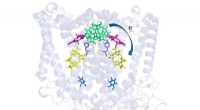
Water photolysis is the first step in the Z‑scheme of the photosynthetic electron transport chain. The reaction occurs in Photosystem II and is catalyzed by the water‑oxidizing complex. It generates a proton gradient across the thylakoid membrane, driving ATP synthesis via chemiosmosis, while simultaneously providing electrons that reduce NADP⁺ to NADPH.
Water is not merely a participant but the linchpin of photosynthesis. By supplying electrons, protons, and oxygen, it enables the conversion of light energy into the sugars and oxygen that sustain nearly all life on Earth. Understanding water’s pivotal role underscores the importance of preserving aquatic ecosystems for global ecological balance.