Comstock/Stockbyte/Getty Images
A chemical reaction occurs when two or more substances interact, transforming into new compounds. For example, mixing water with baking soda produces sodium hydroxide and fizzing carbonic acid—an observable manifestation of a chemical change. While some reactions release visible signs like fizz or color shifts, scientists often rely on instruments such as mass spectrometers to detect subtle transformations that are invisible to the naked eye.
Light can be a striking by‑product of chemical reactions. Many exothermic processes, such as the flame of a candle, emit both heat and visible light. Purely chemiluminescent reactions generate light without significant heat. Everyday items—light sticks, glowing bracelets, and fireflies—demonstrate this phenomenon: a physical trigger (bending or shaking) initiates a reaction that emits light. Bioluminescence in marine organisms is another natural example of chemiluminescence.
When two soluble solutions meet, a new solid may form—a precipitate—signifying a chemical reaction. In the lab, the sudden appearance of fine particles that settle to the bottom of a beaker or render a solution cloudy is a clear indicator. For instance, adding a drop of silver nitrate to a sodium chloride solution instantly produces a white precipitate of silver chloride suspended in the remaining liquid.
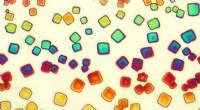
Color shifts are common evidence of chemical change in everyday life and in the laboratory. In nature, the fading of green chlorophyll in leaves during fall reveals underlying biochemical transformations. In the lab, a color change may be subtle or dramatic, depending on reactant concentrations. Colorimeters quantify the intensity of these changes, enabling precise analysis of a sample’s composition.
Gas evolution is one of the most unmistakable signs of a reaction. When a base encounters an acid, carbon dioxide bubbles appear—such as the fizz that occurs when baking soda meets vinegar. More dramatic demonstrations include potassium metal sparking upon contact with water, releasing hydrogen gas and producing visible flames. Such experiments demand strict safety protocols.
Combustion reactions produce heat, light, and smoke, and they can be both fascinating and hazardous. Many laboratory chemicals are flammable, requiring fume hoods, proper technique, and supervision. A tragic incident at UCLA in 2008—when a lab assistant's clothing ignited after a broken syringe exposed flammable t‑butyl lithium to air—highlights the importance of safety precautions, such as wearing protective lab coats and following established protocols.