By Mark Fitzpatrick | Updated Aug 30, 2022
Every year, an estimated 3 million metric tons of oil and oil‑related chemicals find their way into the world’s oceans. To mitigate the environmental impact, governments and industry have identified a range of chemical and biological methods that transform hazardous oil into less harmful or easily degradable substances.
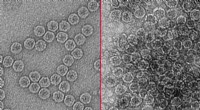
Dispersants, such as the widely studied Corexit, are formulated to break up large slicks of oil. When applied, they create micelles—tiny, spherical structures that encapsulate oil droplets. According to the Science Corps, these micelles disperse oil across a broader surface area, enabling natural seawater bacteria to colonize and metabolize the hydrocarbons. Research from the University of Regensburg’s chemistry department shows that dispersants can also form buoyant oil globules that wash ashore, allowing manual collection by cleanup crews. Once submerged, the oil is gradually broken down by marine microbes, which consume its carbon content.
Bioremediation harnesses bacterial or fungal colonies to “eat” oil. The Bren School of Environmental Science and Management notes that effective treatment often involves cultivating large populations of oil‑degrading microbes. In many cases, nutrients such as nitrogen and phosphorus are added as fertilizer to accelerate microbial growth and enhance the breakdown of oil into harmless by‑products.
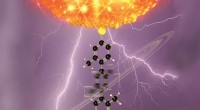
Natural photolysis—sunlight’s ability to break chemical bonds—plays a role in oil degradation. A 2010 Popular Mechanics article highlighted that solar radiation, combined with warm water, can thin oil slicks and expose more surface area to light. Over weeks, this process reduces complex hydrocarbons to simpler compounds that are more readily assimilated by marine organisms.
When oil spills affect wildlife, immediate decontamination is crucial. Rescue teams typically transport affected animals to sanitation labs where they are bathed in warm water with diluted soap or surfactants. A 2010 Discovery News piece reports that this method effectively separates oil from fur, feathers, and skin, allowing veterinary teams to treat burns and prevent secondary infections.