Eriochrome Black T (EBT) is a pivotal reagent for complexometric titrations and pH assessment in water studies. The following guide outlines a precise, laboratory‑grade preparation method that ensures reliable results and safety compliance.
Before beginning, equip yourself with nitrile gloves and safety goggles. Work in a well‑ventilated area or under a fume hood, and keep all chemicals out of reach of children.
1. Weigh the EBT: Place the empty beaker on the balance and tare it to zero. Transfer 0.5 g of EBT powder into the beaker with a clean spatula.
2. Add Hydroxylamine: Tare the balance again. Weigh out 2.0 g of hydroxylamine hydrochloride and add it to the beaker.
3. Dissolve the Powders: Add a small volume of ethanol (≈5 mL) to the beaker, then stir with the glass rod until the powders are fully dissolved.
4. Complete the Dilution: Carefully add ethanol to bring the total volume up to the 100 mL mark on the beaker’s calibration line. Mix thoroughly to ensure homogeneity.
5. Transfer and Store: Transfer the finished solution into a clean glass dropper bottle or reagent bottle. Seal tightly and label with concentration and preparation date. The solution remains stable for several weeks when stored at room temperature, away from direct sunlight.
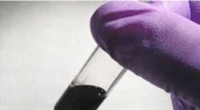
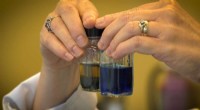
EBT’s azo-dye structure imparts a deep blue (nearly black) color in solution, making it an ideal indicator for:
1. Place a few milliliters of the water sample in a clean conical flask. 2. Add a few drops of the prepared EBT solution and swirl gently.
• A wine‑red color signals the presence of free Ca²⁺, Mg²⁺, and other metal ions, which bind to EBT and mask the pH readout.
• To assess hardness, prepare a 0.1 % EDTA solution. Gradually add it to the red water while swirling until the color shifts to blue. The volume of EDTA required, combined with its known concentration, yields the total hardness (ppm CaCO₃).