Why K₂Cr₂O₇ Alone Isn't Enough
* K₂Cr₂O₇ as an Oxidizing Agent: Potassium dichromate is a powerful oxidizing agent, meaning it readily accepts electrons. This property is what allows it to oxidize alcohols.
* Chromate Ions are the Active Species: The oxidizing agent in this reaction is the chromate ion (CrO₄²⁻) which is formed when K₂Cr₂O₇ dissolves in water.
* The Need for Acid: The chromate ion is most effective as an oxidizing agent in acidic solutions. H₂SO₄ provides the acidic environment.
How H₂SO₄ Plays a Key Role
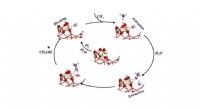
1. Protonation: H₂SO₄ protonates the alcohol, making it more susceptible to oxidation. This happens through the formation of a protonated alcohol, which is a better electrophile (more likely to accept electrons).
2. Formation of Chromic Acid: The most important role of H₂SO₄ is to react with the chromate ion (CrO₄²⁻) to form chromic acid (H₂CrO₄). This reaction is an equilibrium, but the presence of acid pushes the equilibrium towards chromic acid formation.
3. Chromic Acid as the Active Oxidant: Chromic acid is the true oxidizing agent in this reaction. It reacts with the protonated alcohol to form the oxidized product (aldehyde or ketone).
The Chemical Equation
A simplified representation of the overall reaction is:
3RCH₂OH + K₂Cr₂O₇ + 4H₂SO₄ → 3RCHO + K₂SO₄ + Cr₂(SO₄)₃ + 7H₂O
Key Points
* Acid Strength: Strong acids like H₂SO₄ are preferred because they ensure a sufficient concentration of H⁺ ions in the solution.
* Chromic Acid's Color: The solution changes color during the reaction, often from orange to green, due to the reduction of chromate ions to Cr³⁺ ions.
* Reaction Conditions: The reaction is typically carried out at elevated temperatures to accelerate the oxidation process.
Let me know if you'd like a more detailed explanation of any of these points!