* Oxygen in the Air: Air contains about 21% oxygen.
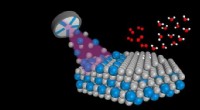
* Chemical Reaction: When a metal comes into contact with oxygen, a chemical reaction occurs. The oxygen atoms combine with the metal atoms, forming a new compound called a metal oxide.
* Metal Oxide Formation: This reaction releases energy, often in the form of heat, and can result in the formation of a layer of metal oxide on the surface of the metal.
Examples:
* Iron: Iron reacts with oxygen to form iron oxide, commonly known as rust.
* Aluminum: Aluminum reacts with oxygen to form aluminum oxide, which forms a protective layer on the surface of the aluminum, preventing further corrosion.
* Copper: Copper reacts with oxygen to form copper oxide, which gives copper its characteristic greenish patina.
Factors Affecting the Reaction:
* Type of Metal: Different metals have varying reactivity with oxygen. Some metals, like gold and platinum, are very resistant to oxidation, while others, like sodium and potassium, react very readily.
* Temperature: Higher temperatures generally accelerate the reaction rate.
* Presence of Moisture: Moisture (water) can act as a catalyst, speeding up the oxidation process.
Let me know if you have any more questions!