Low Temperatures (below 112.8°C):
* Melting: Sulfur will melt into a pale yellow liquid.
* Sublimation: At very low pressures, some sulfur might directly transition from solid to gas (sublimation) without going through the liquid phase.
Moderate Temperatures (between 112.8°C and 159°C):
* Thickening: The liquid sulfur becomes increasingly viscous (thick) as the temperature rises. This is due to the formation of long chains of sulfur atoms.
* Color Change: The liquid sulfur changes color, becoming darker amber and even reddish-brown.
High Temperatures (above 159°C):
* Decreasing Viscosity: The liquid sulfur becomes less viscous again as the chains break down.
* Boiling: Sulfur boils at 444.6°C. At this temperature, the sulfur vaporizes into a gas.
Important Note: The behavior of sulfur with heat is complex. Different allotropes (forms) of sulfur can form at different temperatures, each with its own properties. For example, at high temperatures, sulfur can form a rubbery, elastic solid called "plastic sulfur."
Safety Considerations:
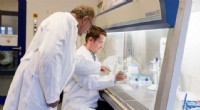
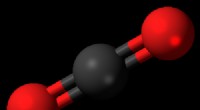
* When heating sulfur, it's crucial to do so in a well-ventilated area. Sulfur dioxide gas is produced when sulfur burns, which can be harmful if inhaled.
* Use appropriate safety equipment, such as gloves and goggles, to protect yourself from potential burns or skin irritation.
In summary: Heating sulfur causes a series of transformations, with its color, viscosity, and state changing depending on the temperature. It's essential to understand these changes and take necessary safety precautions when working with sulfur.