Pure Substances
* Definition: A pure substance is a material that has a fixed and definite composition. It cannot be broken down into simpler substances by physical means.
* Characteristics:
* Uniform Composition: Every part of the substance has the same properties.
* Fixed Properties: Melting point, boiling point, density, etc. are constant.
* Single Component: Made up of only one type of atom or molecule.
* Examples:
* Elements: Gold (Au), Oxygen (O2)
* Compounds: Water (H2O), Table salt (NaCl)
Mixtures
* Definition: A mixture is a combination of two or more substances that are not chemically bonded. The substances in a mixture retain their individual properties.
* Characteristics:
* Variable Composition: The ratio of components can vary.
* Variable Properties: Melting point, boiling point, density, etc. can change depending on the proportions of the components.
* Multiple Components: Composed of two or more different substances.
* Examples:
* Saltwater: Salt (NaCl) dissolved in water (H2O)
* Air: A mixture of gases like nitrogen, oxygen, and carbon dioxide
* Sand and Water: A mixture of solid sand particles and liquid water
How to Distinguish
1. Composition: Can the material be separated into simpler substances by physical means (like filtration, evaporation, or magnetism)? If so, it's a mixture. If not, it's likely a pure substance.
2. Properties: Does the material have fixed and constant properties (like melting point, boiling point)? If yes, it's likely a pure substance. If the properties vary, it's probably a mixture.
3. Appearance: Does the material appear uniform throughout? If yes, it could be a pure substance or a homogeneous mixture. If it shows distinct parts, it's a heterogeneous mixture.
Important Note:
* Homogeneous Mixtures: These mixtures have a uniform composition and appearance throughout. Examples include saltwater and air.
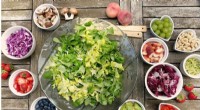
* Heterogeneous Mixtures: These mixtures have a non-uniform composition and appearance. You can see different parts or phases. Examples include sand and water, oil and water, and a salad.
Let me know if you'd like to explore examples or have more questions!