* Ionic Bonding: NaCl (sodium chloride, or table salt) is formed through ionic bonding, not by one atom capturing an electron from the other.
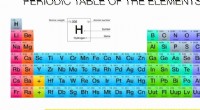
* Electron Transfer: Sodium (Na) has one valence electron, while chlorine (Cl) has seven. In the formation of NaCl, sodium *donates* its valence electron to chlorine. This results in a positively charged sodium ion (Na+) and a negatively charged chloride ion (Cl-).
* Electrostatic Attraction: The oppositely charged ions are then attracted to each other through electrostatic forces, forming the ionic bond.
In summary: NaCl is formed by the transfer of an electron from sodium to chlorine, resulting in the formation of ions held together by electrostatic attraction, not by one atom capturing an electron from the other.