* Solids: Have a fixed shape and volume. They resist changes in shape and size.
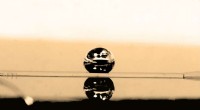
* Liquids: Have a fixed volume but take the shape of their container. They can flow and adapt to different shapes.
* Gases: Have neither a fixed shape nor a fixed volume. They expand to fill the entire container they are in.
Examples:
* Ice (solid) to water (liquid): Ice cubes have a defined shape, but when they melt into water, they take the shape of the container they're in.
* Water (liquid) to steam (gas): A puddle of water has a defined shape, but when it boils and turns to steam, it expands to fill the entire space it's in.
Exceptions:
While generally true, there are some exceptions where a substance can change state without significantly altering its shape and size:
* Sublimation: When a solid changes directly into a gas, it might maintain a similar shape if the change is slow and controlled. For example, dry ice sublimating.
* Freezing: Some substances, like water, expand when they freeze. This means the ice will be slightly larger than the liquid water.
In summary: While some substances can change state without significant shape changes, the general rule is that changing states often results in a change in shape and size.