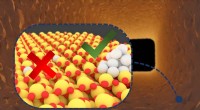
* Strong Intermolecular Forces: Ammonia (NH3) molecules are polar, meaning they have a positive and a negative end due to the electronegativity difference between nitrogen and hydrogen. This polarity allows for strong dipole-dipole interactions between molecules. Additionally, ammonia can form hydrogen bonds, which are even stronger intermolecular forces.
* Pressure and Temperature:
* Pressure: Increasing the pressure forces the molecules closer together, enhancing the strength of the intermolecular forces.
* Temperature: Lowering the temperature reduces the kinetic energy of the molecules, making it easier for the intermolecular forces to overcome the motion of the molecules and hold them together in a liquid state.
Liquefaction Process:
When ammonia gas is subjected to both increased pressure and reduced temperature, the following happens:
1. The molecules slow down due to the lower temperature.
2. The increased pressure forces the molecules closer together.
3. The strong intermolecular forces become dominant, overcoming the kinetic energy of the molecules.
4. The gas molecules transition into a more condensed, liquid state.
In summary, ammonia gas liquefies because of the combination of strong intermolecular forces (dipole-dipole and hydrogen bonding) and favorable conditions of pressure and temperature.