Electrophoresis is a technique that uses an electric field to separate molecules based on their charge and size.
Here's how it works:
1. Sample Preparation: The organic compounds are dissolved in a buffer solution and placed in a gel or a capillary tube.
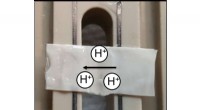
2. Electric Field Application: An electric current is applied across the gel or capillary, creating an electric field.
3. Migration: Charged molecules in the sample will migrate towards the oppositely charged electrode. The rate of migration depends on the molecule's charge and size.
4. Separation: Molecules with different charges and sizes will migrate at different speeds, resulting in separation of the compounds.
5. Detection: The separated compounds can be detected by various methods, such as staining or fluorescence.
Types of Electrophoresis for Organic Compounds:
* Gel Electrophoresis: Commonly used to separate proteins, nucleic acids, and other macromolecules.
* Capillary Electrophoresis: Used for separating smaller molecules, like amino acids and peptides.
* Isoelectric Focusing: Used to separate proteins based on their isoelectric point (the pH at which they have no net charge).
Applications of Electrophoresis:
* Biotechnology: Separating and analyzing DNA, RNA, and proteins for research and diagnostics.
* Medicine: Diagnosing genetic disorders, analyzing blood samples, and identifying pathogens.
* Food Science: Analyzing food components and detecting contaminants.
Advantages of Electrophoresis:
* High resolution separation of complex mixtures.
* Sensitive and versatile technique.
* Relatively simple to perform.
Limitations of Electrophoresis:
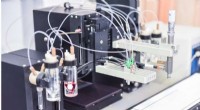
* Requires specialized equipment.
* Can be time-consuming for complex samples.
* Some compounds may not migrate efficiently in the electric field.