What is a Chemical Change?
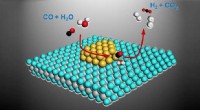
A chemical change is a process where a new substance is formed with different chemical properties than the original substances. This usually involves the breaking and forming of new chemical bonds.
Examples of Chemical Changes:
* Burning wood: Wood reacts with oxygen in the air, producing ash, carbon dioxide, and water. The wood is transformed into entirely new substances.
* Rusting of iron: Iron reacts with oxygen and water to form iron oxide (rust), a new compound with a different color and properties.
* Baking a cake: The ingredients (flour, sugar, eggs, etc.) undergo chemical reactions, changing their structure and creating a new substance.
* Digesting food: Our bodies break down food molecules into simpler forms that our cells can use.
* Cooking an egg: The protein in the egg undergoes a chemical change, changing its texture and appearance.
* Photosynthesis: Plants use sunlight, carbon dioxide, and water to create glucose (sugar) and oxygen.
Key Indicators of a Chemical Change:
* Change in color (e.g., rusting iron)
* Production of gas (e.g., baking soda reacting with vinegar)
* Formation of a precipitate (a solid forming from a solution)
* Release or absorption of heat (e.g., burning wood)
* Emission of light (e.g., burning wood, a firefly)
Let me know if you'd like more specific examples or have any other questions about chemical changes!