1. Temperature: Increasing the temperature generally increases the rate of a reaction. This is because higher temperatures provide more kinetic energy to the reacting molecules, leading to more frequent and forceful collisions that are likely to result in bond breaking and product formation.
2. Concentration: A higher concentration of reactants generally leads to a faster reaction rate. This is because there are more reactant molecules present, increasing the likelihood of collisions and successful reactions.
3. Surface Area: For reactions involving solids, increasing the surface area of the solid will generally increase the rate of reaction. This is because more of the solid is exposed to the reactants, allowing for more contact points and opportunities for reactions. Think of a wood block vs. wood shavings for burning.
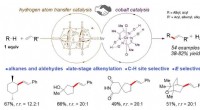
4. Catalyst: A catalyst is a substance that speeds up a reaction without being consumed in the process. Catalysts work by providing an alternative pathway for the reaction with a lower activation energy, meaning the reaction requires less energy to start.