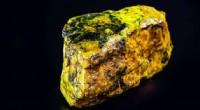
* Copper(I) sulfide (Cu₂S): This is a black, solid compound also known as chalcocite. It is a common mineral found in nature.
* Copper(II) sulfide (CuS): This is a black, solid compound also known as covellite. It is another common mineral found in nature.
* Copper(I) oxide (Cu₂O): This is a red, solid compound also known as cuprite. It is a common mineral found in nature.
* Copper(II) oxide (CuO): This is a black, solid compound also known as tenorite. It is a common mineral found in nature.
* Copper sulfate (CuSO₄): This is a blue, solid compound. There are several different hydrates of copper sulfate, such as copper sulfate pentahydrate (CuSO₄•5H₂O), which is commonly known as blue vitriol.
It's important to note that the specific compound formed will depend on the reaction conditions and the proportions of the elements used.
To determine the specific name of the compound, you need to know the oxidation states of the elements and the proportions in which they combine. For example, if you have copper(I) with sulfur and oxygen, the compound would be named copper(I) oxy-sulfide.