* Electrostatic Attraction: Ionic bonds are formed by the electrostatic attraction between oppositely charged ions. This attraction is very strong, especially when the ions have high charges.
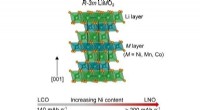
* Lattice Structure: Ionic compounds form a crystal lattice structure, where ions are arranged in a regular, repeating pattern. This structure maximizes the electrostatic attractions between ions, making the bond even stronger.
* High Melting and Boiling Points: The strong electrostatic forces in ionic bonds require a lot of energy to overcome. This is why ionic compounds typically have high melting and boiling points.
* Solubility in Polar Solvents: Ionic compounds tend to dissolve in polar solvents (like water) because the polar solvent molecules can surround and separate the ions, breaking the ionic bonds.
Why they might seem "weak" in some contexts:
* Solubility: While ionic bonds are strong, they can be broken by polar solvents. This is why ionic compounds can dissolve in water, making them appear "weak" in this context.
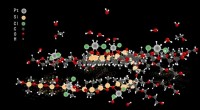
* Hydration: When ionic compounds dissolve in water, the ions become surrounded by water molecules (hydration). This can weaken the electrostatic attraction between the ions to some extent.
In summary: Ionic bonds are inherently strong due to the powerful electrostatic attraction between ions. However, they can be affected by factors like solubility and hydration, which can make them appear "weak" in certain situations.