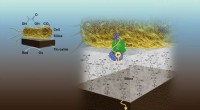
* Dissolution: This is the process where the solute (the substance being dissolved) breaks apart and dissolves into the solvent (the substance doing the dissolving). This process is driven by the attraction between the solute and solvent molecules.
* Crystallization: This is the reverse process where the dissolved solute molecules come together and form a solid crystal again. This process is driven by the attraction between the solute molecules themselves.
In a saturated solution, these two processes are occurring at equal rates. This means that the rate of dissolution is equal to the rate of crystallization. As a result, the concentration of the dissolved solute remains constant.
Here's a simple analogy: Imagine a crowded dance floor. People are constantly entering and leaving the floor. If the rate of people entering the floor is equal to the rate of people leaving, the number of people on the dance floor remains constant.
Similarly, in a saturated solution, the rate of dissolving solute molecules is equal to the rate of crystallizing solute molecules, keeping the concentration constant.