* Change in Appearance: Coal is black and solid. After burning, it turns into a gray ash. This change in appearance is a clear sign of a chemical transformation.
* Release of Heat and Light: Burning coal produces heat (fire) and light, indicating the release of energy. This energy release is characteristic of chemical reactions.
* Formation of New Substances: Coal is primarily carbon. When it burns, it reacts with oxygen in the air to form carbon dioxide (CO2), a gas that is invisible to the naked eye. This is a new substance that wasn't present before burning.
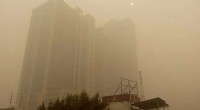
* Production of Gases: Burning coal releases gases like carbon dioxide (CO2), sulfur dioxide (SO2), and water vapor (H2O). The presence of these gases is further evidence of a chemical change.
* Change in Mass: Although the ash appears much smaller than the initial coal, some of the mass is converted into gases that escape into the atmosphere.
In summary: The changes in appearance, release of energy, formation of new substances, and production of gases all point to the fact that burning coal is a chemical reaction.