Here's why this is crucial:
* Covalent bonds are the strongest type of chemical bond, forming the backbone of our skin's building blocks. These bonds hold atoms together within molecules like proteins (collagen and elastin), lipids (fats), and carbohydrates (sugars). These molecules provide skin with its structure, strength, and flexibility.
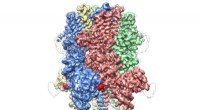
* Hydrogen bonds play a crucial role in stabilizing the overall structure of these large molecules. They are weaker than covalent bonds but are important for maintaining the shape and function of proteins and other molecules. For example, hydrogen bonds are responsible for the helical structure of collagen, which gives skin its tensile strength.
In summary:
* Covalent bonds provide the primary structure of skin's building blocks, giving it its fundamental strength and integrity.
* Hydrogen bonds contribute to secondary and tertiary structures, creating complex shapes and interactions that are essential for the function and flexibility of our skin.
If skin were primarily held together by weak hydrogen bonds, it would be extremely fragile and easily break down. Imagine trying to walk or even stand if your skin were a flimsy sheet of paper! The combination of strong covalent bonds and stabilizing hydrogen bonds is essential for our skin to provide protection, regulate temperature, and maintain its overall integrity.