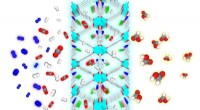
* Ionic Compounds: Ferric oxide is an ionic compound, while sodium chloride is also an ionic compound. They are both very stable in their solid state.
* Solubility: Neither ferric oxide nor sodium chloride is very soluble in water. They might dissolve in very small amounts, but not enough to create a noticeable reaction.
* No Exchange: There's no driving force for a double displacement reaction to occur. The ions in these compounds don't readily exchange partners to form new compounds.
What might happen if you mix them:
* Physical Mixture: You would likely end up with a mixture of solid ferric oxide and solid sodium chloride.
* Suspension: If you add the mixture to water, you might get a suspension where the solid particles are dispersed in the water.
* Limited Dissolution: A tiny amount of ferric oxide and sodium chloride might dissolve, but the concentration would be very low.
In Conclusion:
Adding sodium chloride to ferric oxide doesn't cause a significant chemical reaction. They are relatively inert towards each other.